

Analysis: Operators can expect significant exposure to public satellite methane data

The Rise of Public Satellite Methane Data In recent years, the rapid advancement of space-based remote sensing technology has ushered in a new era of environmental monitoring. Satellites are now equipped with methane sensing capabilities, and previously invisible methane emissions are under surveillance, particularly within the oil and gas industry. With new data comes new […]
Some Clarity on the Methane Waste Fee
In the Inflation Reduction Act (IRA), Congress tasked the EPA with developing a Waste Emissions Charge (WEC, i.e., waste methane fee) for the 2024 Greenhouse Gas Reporting Program (GHGRP) reporting year and onward. EPA responded to this mandate by releasing a detailed proposed rule on January 12, 2024. Here, we summarize the motivation for this […]
Regulatory Framework for Advanced Technology Deployment: Amendments to EPA Subpart OOOOb, Part 2

On December 2nd, EPA released the final form of the highly anticipated final methane rules, OOOOb and OOOOc, regulating emissions from oil and natural gas operations. Here, we focus on OOOOb’s finalized emission monitoring requirements and how alternative/advanced technologies can be used for various compliance pathways. This is part two of a two-part series. In […]
Highwood’s accomplishments in 2023 and ambitions for 2024

Our third full year in business was our best yet. Here’s a recap of all that we accomplished – and a glimpse into what we have planned for 2024. Business Milestones • Closed a USD 3.25m SEED round to build and scale a newly announced enterprise SaaS solution. The round was led by Energy […]
Methane Rule Comparison: United States (final) vs. Canada (draft)
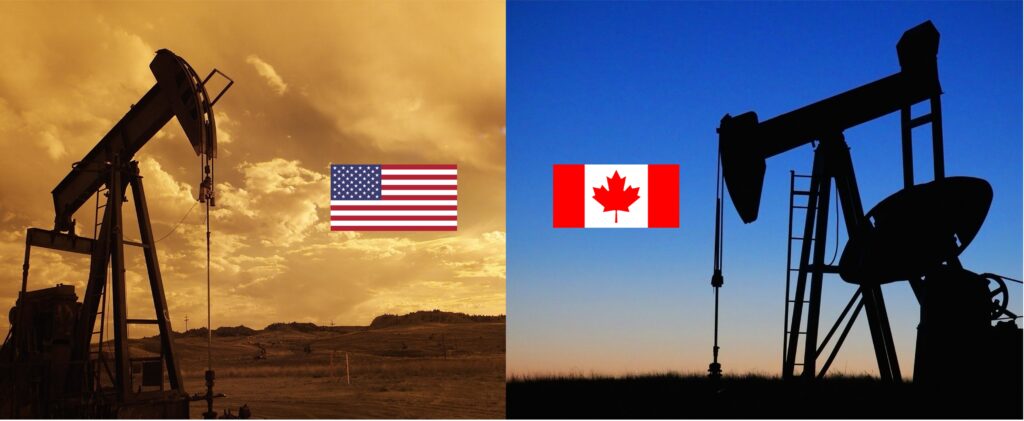
Methane Rule Comparison: United States (final) vs. Canada (draft) A comparison of US EPA’s OOOOb/c and Canada’s ECCC methane rules for the oil and natural gas industry. New regulations? In December 2023, at COP28, the US Environmental Protection Agency (EPA) announced a final rule expected to achieve methane reductions of 87% relative to 2005. […]
How the Super-Emitter Response Program Affects Operators: Amendments to EPA Subpart OOOOb, Part 1
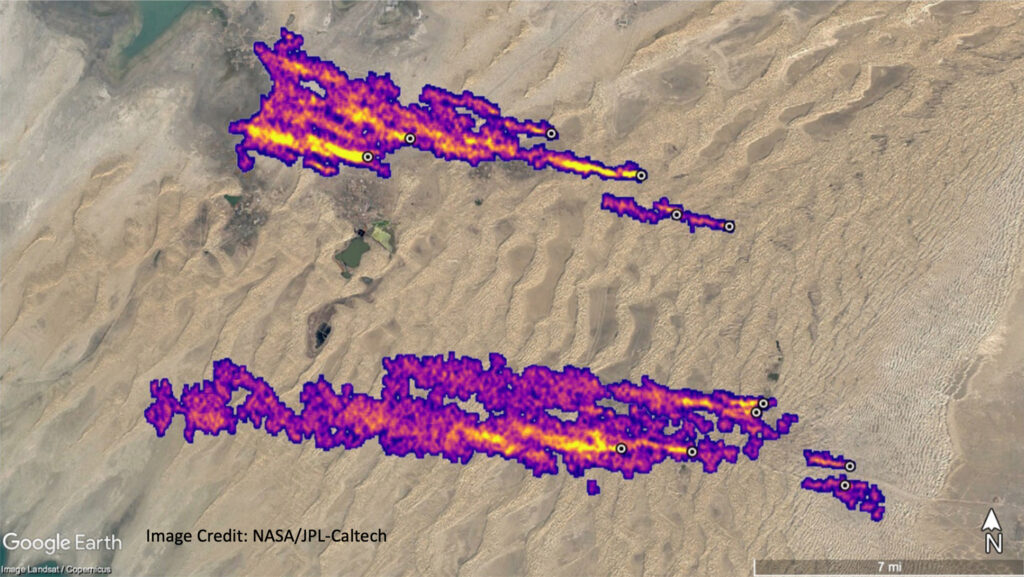
How the Super-Emitter Response Program Affects Operators: Amendments to EPA Subpart OOOOb, Part 1 The Environmental Protection Agency (EPA) has now formally adopted, the methane rule (written in the federal…
Energy Transition – Balancing Access Against Climate Objectives
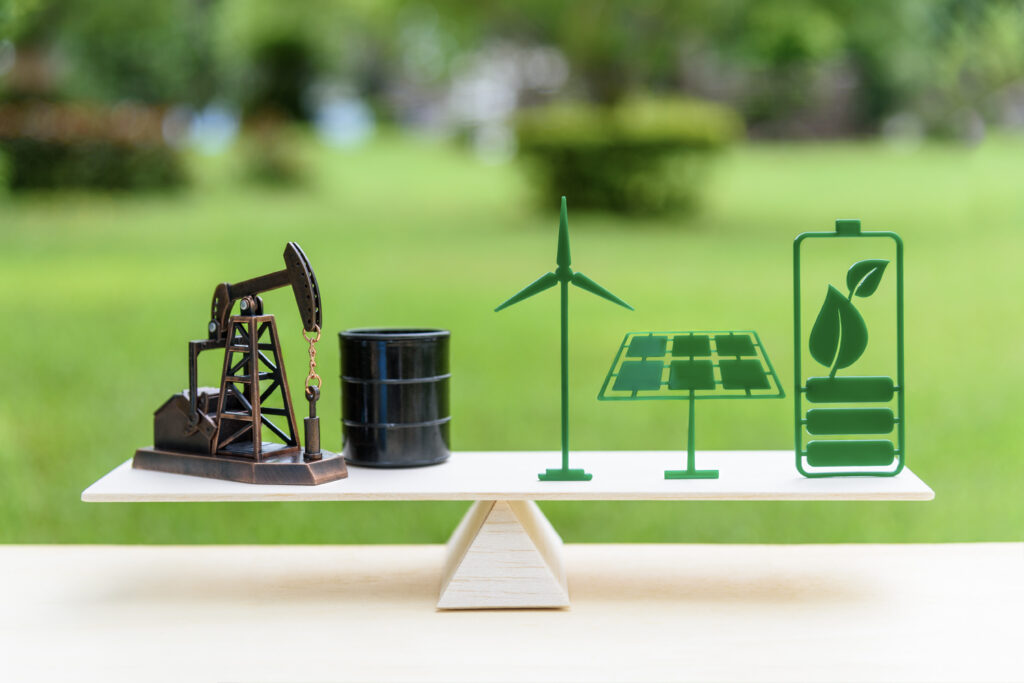
This is the second in a series of four articles on the 2023 Voluntary Initiatives Report by Highwood Emissions Management. To read the full Voluntary Emissions Reduction Initiatives in 2023 click here Article: As the world strives to achieve the climate goals set out in the 2015 Paris Agreement, parts of the world still do […]
Natural Gas Voluntary Initiatives for Emissions Reductions: What’s in it for Me?

With growing concerns about climate change and GHG emissions, companies in the energy industry are increasingly exploring voluntary initiatives for emissions reductions.
The new and improved LDAR-Sim: Everything you need to know
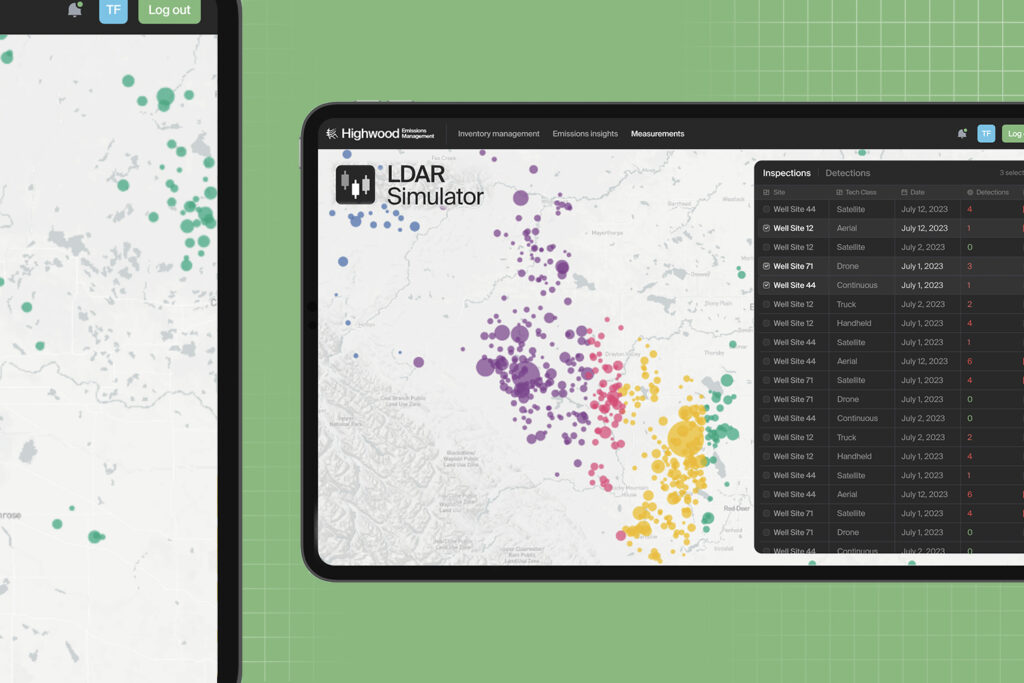
LDAR-Sim is one of the leading reputable modelling tools in the forecasting and analysis of fugitive emissions. As a public, open-source platform, regulators, operators, and other interested parties can confidently use LDAR-Sim to evaluate the effectiveness of fugitive emissions management programs.
EPA proposes changes to Subpart W of the Greenhouse Gas Reporting Program
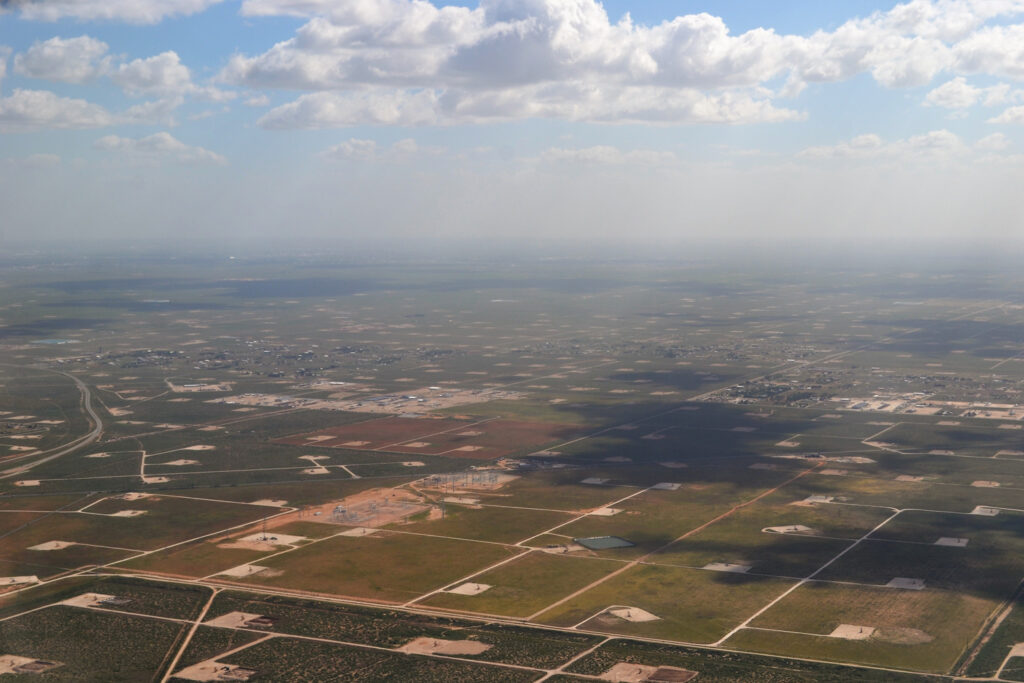
On Thursday, July 6, the U.S. Environmental Protection Agency (EPA) proposed revisions to the Greenhouse Gas Reporting Program (GHGRP), specifically regarding Subpart W for petroleum and natural gas systems which describes the calculations operators use in generating an annual emissions estimate.
