

Briefing 003: Mind the Methane Gap
A six-step diagnostic framework for understanding discrepancies between methane inventories and site-level measurements. Background Source-level inventories, often referred to as “bottom-up inventories” are based on an accounting of emissions attributable to equipment and activities. Scientific measurement studies provide a different perspective, using observations of methane in the atmosphere together with models and other inference methods […]
The Highwood Bulletin 096
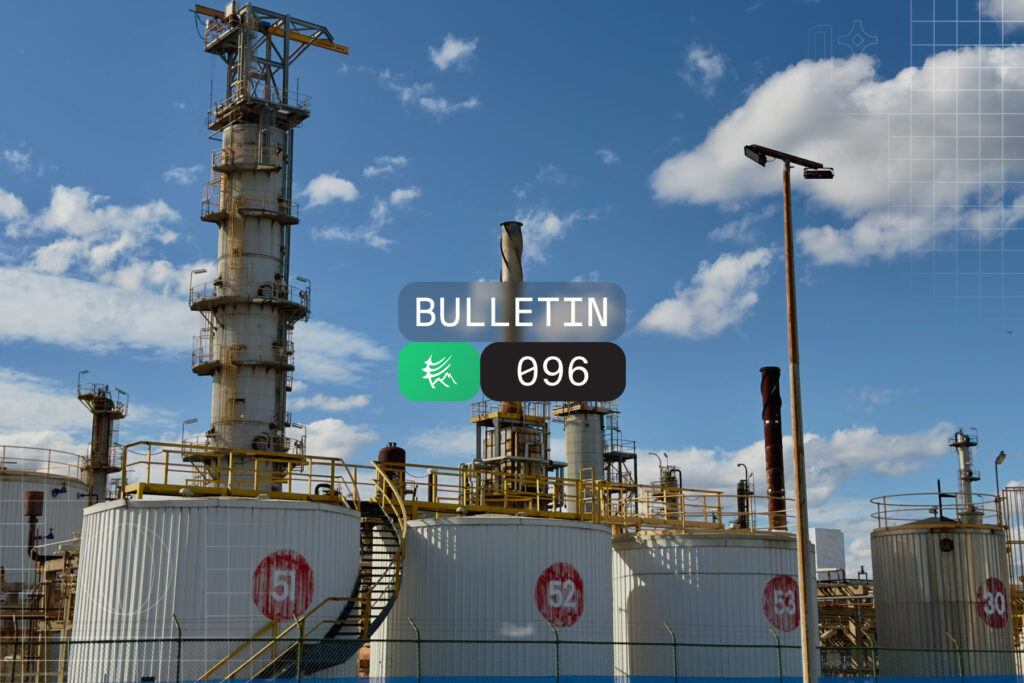
UN Says 1.5°C Warming Overshoot Is Inevitable A new UNEP report concludes that exceeding 1.5°C of global warming is now inevitable, shifting the priority toward limiting the magnitude and duration of the overshoot before temperatures can eventually be reduced. (Read more) EPA Proposes Weaker Regulations for Marginal Wells Propublica reports on a draft rule being […]
Highwood’s Perspective on the EU Methane Emissions Regulation Announcement
Highwood’s Perspective on the July 20, 2026, EU Methane Emissions Regulation Announcement. The EU made a move on methane. If you sell oil and gas into Europe, the announcement made on July 20, 2026, applies to you. The European Commission adopted two Recommendations under the EU Methane Emissions Regulation (EU MER), effective immediately as non-binding […]
Why Highwood is building a custom AI engineering workflow

Three teams. Three AI approaches. One messy dataset. What actually works when LLM-generated code meets scale, edge cases, and silent failure.
Bridger Photonics and Highwood Emissions Announce Strategic Partnership to Advance Trusted, Defensible Methane Intelligence
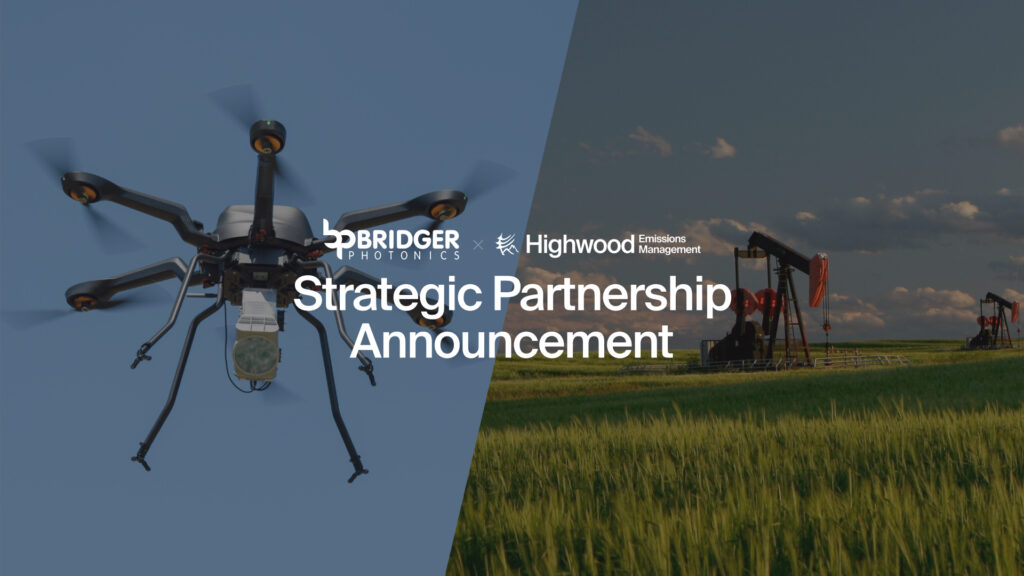
Independent leaders unite to enable oil & gas operators to strengthen compliance, credibility, and global market access.
Subpart-W Finalized: EPA’s Updated GHG Reporting Rule is a Game Changer
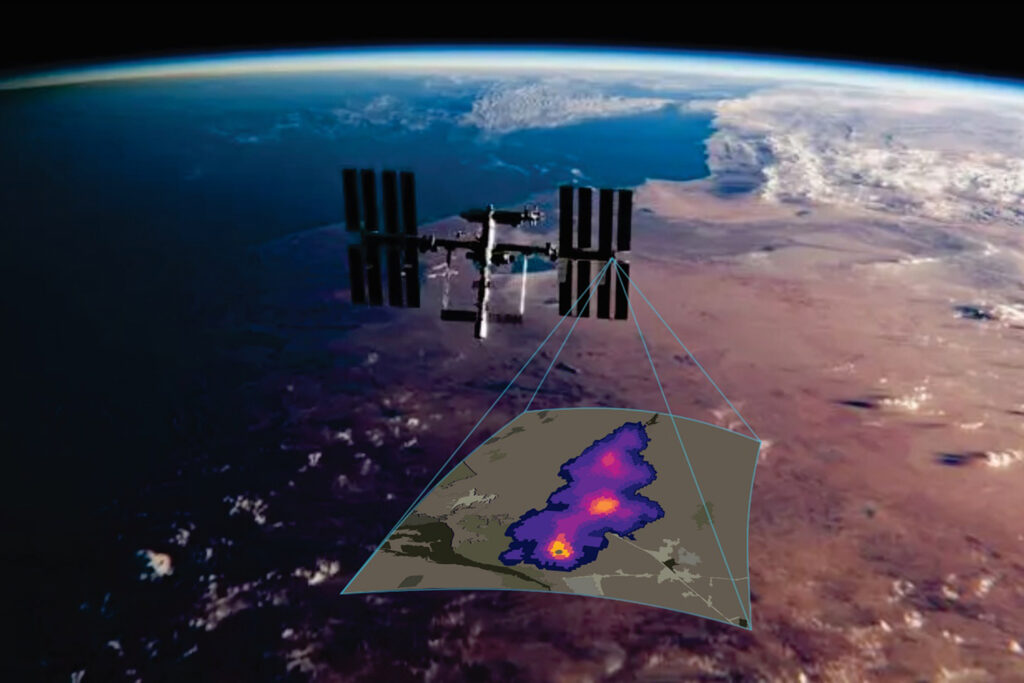
On May 6th, 2024, the EPA finalized amendments to the Subpart-W methodology (petroleum and natural gas emissions sources) of the Greenhouse Gas Reporting Program (GHGRP).1 The revisions are intended primarily to address gaps in reporting, so that all methane emissions from applicable facilities are reported, by: Adding new emissions calculation methodologies Improving existing emissions calculation […]
Should we join OGMP 2.0?
With 130 oil and gas companies representing assets in 70 countries, OGMP 2.0 member companies now account for almost 40% of global oil and gas production and over 80% of Liquefied Natural Gas (LNG) flows. From 2022 to 2023, OGMP 2.0 saw 86% growth in participation, including some of the largest global oil and gas […]
The Methane Quantification Debate is a False Dichotomy and a Distraction
Introducing the Quantification Debate There is a debate raging in methane. A debate about the value of methane quantification. In the red corner, you have the quant-heads. Those designing, promoting, and implementing an emerging cacophony of company-specific quantification protocols and standards, often called “measurement-informed inventories”. They are obsessed with pinning down an ever-elusive truth, to […]
Why OGMP 2.0?

Why OGMP 2.0? 130 oil and gas companies with assets in over 70 countries. 38% of global oil and gas production. 80% of LNG flows. What is the common link? The Oil and Gas Methane Partnership 2.0 (OGMP 2.0). OGMP 2.0 is the United Nation’s (UN) flagship oil and gas methane reporting framework for […]
Analysis: Operators can expect significant exposure to public satellite methane data

The Rise of Public Satellite Methane Data In recent years, the rapid advancement of space-based remote sensing technology has ushered in a new era of environmental monitoring. Satellites are now equipped with methane sensing capabilities, and previously invisible methane emissions are under surveillance, particularly within the oil and gas industry. With new data comes new […]
